

Installing Small Woodburners Safely
If you reside in a small home or cabin, a small woodburner can bring warmth to your living space. However, there are certain regulations that you must follow to ensure your stove is installed safely.
These rules include maintaining certain distances between the stove and any combustible materials. To help you, we've created this guide.
Room Size
Woodburners can be found in a wide range of outputs. It is important to consider the size of your space when selecting the right stove. Many people make the mistake of purchasing a stove that is too big for their house. This can negatively impact the efficiency and performance. It is essential to visit the showroom to determine the size of the woodburner that is most suitable for your home and to use a stove-sizing calculator calculate how much heat it will generate.
A good rule of thumb is to take the length, width and height of the room in meters and then multiply them. Divide this number by 14 and you will get an approximate estimate of the amount of heat required. However, this is only a rough estimate and factors such as the insulation quality of the property and whether there are exterior walls, or how large the windows are in the room could impact on the actual heat output needed.
indoor wood burning stove , or basic air brick, is essential for any stove that produces more than 5kW. This will ensure that the wood is burnt efficiently and the stove doesn't get too hot. This could decrease the efficiency of the stove, and cause excessive soot to accumulate on the glass and inside the chimney.
It is also important to know that your small woodburner should be installed at a specific distance from non-combustible and combustible surfaces of a predetermined value. These values will be detailed in the handbook of the manufacturer so be sure to use this when installing your stove and adhere to these guidelines. Keep your stove free of non-combustible and combustible substances will help you avoid any fire safety issues and ensure safe operation of your log burner.
Flue System
The flue system is a passageway that allows the exhaust gases from your wood-burning stove to be vented outside. This helps maintain clean indoor air by stopping the accumulation of harmful pollutants and odours. The flue prevents heat from being transferred to combustible materials in your home. This reduces the risk of smoke damage or fire.
It's important to maintain your flue as it is an essential component of any fireplace or stove. You can accomplish this by regularly cleaning the flue and ensuring it has proper ventilation. If your chimney is clogged, you may need to contact an expert to check and clean. Creosote can accumulate in the flue as a result of the flammable substances of burning wood. If it builds up to an excessive level it could cause chimney fires to and other issues.
There are many different types of flues for your fireplace or woodburning device, including masonry flues and double-wall systems. Double-wall flues are made from stainless steel chimney liners. Masonry chimneys are, however, are usually built with bricks and mortar. Masonry chimneys can be installed with any fireplace, however, it is recommended to have them checked by a Gas Safe registered engineer with an analyser for flue gas to make sure the lining is in good condition and that the chimney is functioning correctly.
If you have an older chimney made of masonry that requires relining, then you can opt for a flexible chimney liner that will provide that the surface is smooth and unbroken from the fireplace to the outlet. These liners are available in a variety of sizes and can be used either internally or externally depending on the arrangement of your fireplace. They are also lined with insulation, which helps keep the flue gas warmer and enhances the performance.
Twin wall flue systems are a common choice for homes without traditional chimneys. They are easy to install and come with a double-skinned stainless steel that is smooth inside and corrugated outside. This is ideal for high temperatures. They can be installed using double-wall chimneys or masonry. However they are only permitted to be installed in homes that have strict building codes.
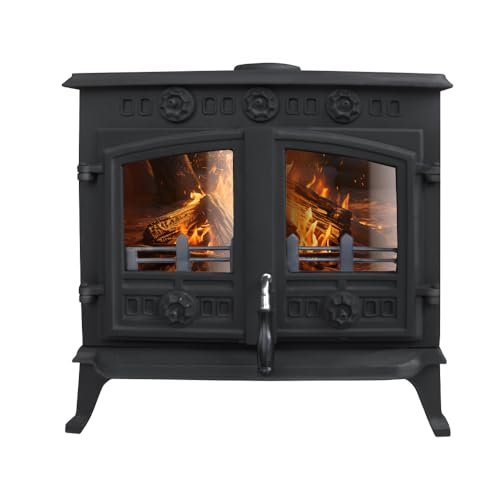
Distances from Combustible Surfaces
The amount of space you have to keep around your stove is among the most important considerations when deciding on the right woodburner. It isn't necessary to place your small woodburner close to combustibles because they can get very hot and start a fire.
Most woodburners will have guidelines on the distance from combustible surfaces you should keep them, this information is available in the stove's instruction manual and is typically specified in terms of distances from the front, rear and sides. These guidelines may vary based on the type and heat output of the wood burner.
To prevent any risk from arising, we strongly advise you to adhere to the guidelines set by the manufacturer for your woodburner. Regular inspections and maintenance performed by a professional is important to ensure your woodburner remains in good working order.
During these inspections your woodburner technician will be able to identify any safety issues. Ensure that you are following the correct guidelines to protect your home and family. Install carbon monoxide alarms around your woodburner, and be sure they are in good in good working order.
Some woodburners require a large space to be protected free of combustible substances in order to decrease the chance of them reaching their ignition point. This is typically specified by the manufacturer in the instruction manual, which is available to be downloaded from their website.
You can use wall protectors to decrease the clearances required for your stove as an alternative to preserving the space. They are subjected to rigorous tests, and are deemed by the manufacturer to be capable of safely reducing the required clearances.
A wall shield is a thin metal frame that protects the flue system on the back of the stove. It acts as a barrier to prevent the walls from heating up and sparking any combustible material behind them. This is a particularly good option for new build homes, where the construction is usually made up of sheetrock (gypsum) or brick veneer, which do not provide much protection from the high temperatures generated by a woodburner.
Shielding Combustible Surfaces
Woodburning stoves generate a great deal of heat. This means that there is a danger of damage to walls surrounding the stove and in the close vicinity. The best way to avoid this is to put up an exterior wall shield that will reduce the heat emitted by the stove and help to shield the wall. These wall protections are available in a variety of forms including simple heat shields, to more elaborate built-in models. The most effective wall protectors blend metal with brick to reflect heat away from the stove and prevent it from spreading onto the walls.
The type of wood that is used to cook in the stove is another important aspect to consider. Certain types of wood are known to create creosote, which can cause obstruction to the fireplace and increase the fire risk. It is best to only use seasoned hardwoods for your stove. This will ensure that the fire is sufficiently hot to eliminate any moisture and reduce the buildup of creosote.
Ash, Elm and Beech are examples of hardwoods that have been processed and seasoned. Pine is not a good option as it creates lots of smoke and may cause creosote-like deposits to the flue system. Larch is another timber which should not be used, since it is prone to Phytophthora Ramorum disease and may cause health risks when it is transported from its natural habitat.
There is a woodburner to suit every budget and space. It is essential to select the best woodburner to maximize energy efficiency and comfort. You can cut down on fuel costs by not using larger and more expensive stoves.